This is an update to stories El Tejano first reported on September 10 and September 15. Read them here: https://www.eltejanorgv.com/sterile-flies-from-edinburg-smuggled-horses-and-a-screwworm-now-inside-texas/ https://www.eltejanorgv.com/first-horse-gets-flesh-eating-screwworm-bug-in-texas/
The U.S. Department of Agriculture (USDA) says the New World screwworm has been found in U.S. wildlife for the first time. It was in an elk in Pecos County, Texas. The USDA said so on Wednesday, October 21.
Texas Parks and Wildlife says the elk was a female. A hunter harvested it on a game ranch. A sample went to a USDA lab in Kerrville. The lab confirmed the screwworm on October 21.
Until now, the cases in Texas were in livestock and pets. This is the first in wildlife. The same day, New Mexico reported a case in a beef cow in Otero County.
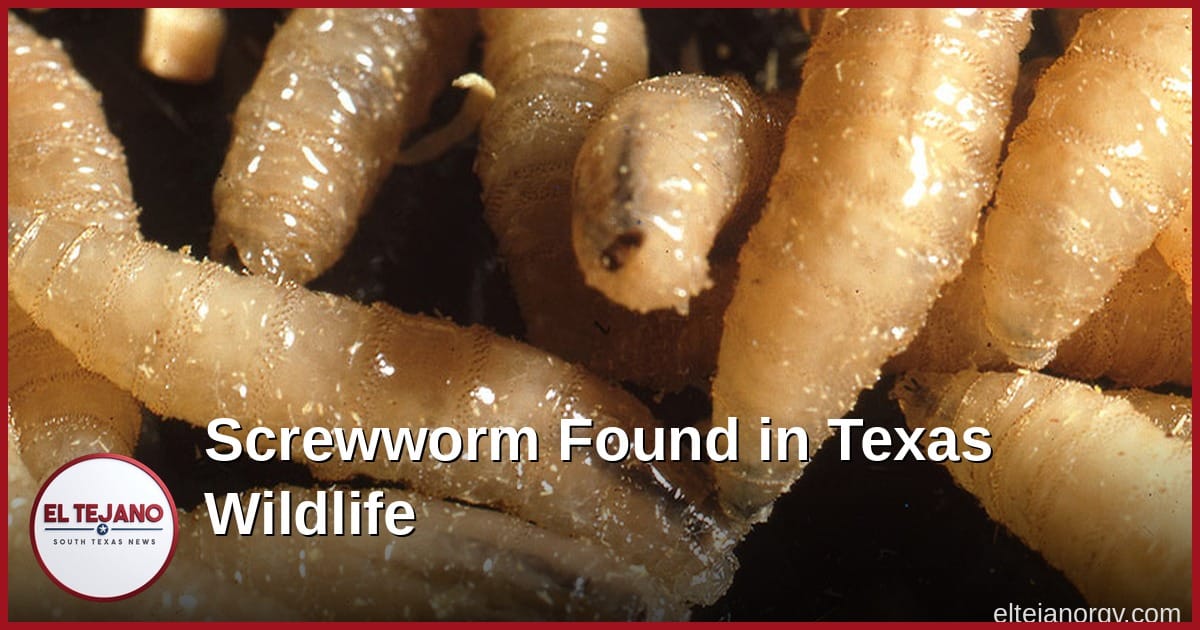
The screwworm is a fly. Its babies are maggots. The Texas Animal Health Commission says the fly lays eggs in open wounds. The maggots dig into the flesh. The commission says the harm can be deadly.
The commission also says the screwworm can hurt people. It says the pest mostly goes after livestock. But it can also affect other mammals, including humans, and birds.
Here is what happens next. The Texas Animal Health Commission will change a zone it set up before. The USDA and the state wildlife agency will check more wild animals there.
The commission has rules for animals in a zone. It says warm-blooded animals may not leave a zone without its OK. Owners must set up a check first.
Hunters are out in the field this season. The wildlife agency asks them to look closely at their animals. Alan Cain is the agency's wildlife director. He said hunters and landowners should watch for signs of the screwworm this season.
The agency lists signs to watch for in a live animal. It acts upset or sad. It stops eating. It shakes its head. It smells like rotting meat. It has maggots in a wound. It stays away from other animals or people.
The agency asks hunters to check an animal before they field dress it. That means before cutting it open. Look at its eyes, ears, nose, mouth and genitals. Run your hands over the body. Check the feet and between the toes for wounds that smell bad or have maggots.
If you think a wild animal has screwworm, call a local wildlife biologist or 512-389-4505. If you think a farm animal or a pet has it, call the commission at 1-800-550-8242. The agency says to report cases right away. More help is at screwworm.texas.gov.
Some background. The commission says a calf in Zavala County had the screwworm. It was confirmed on June 3. The calf got better. The commission says the screwworm was wiped out of the U.S. in 1966. Officials did it with sterile flies. They are still letting those flies go in the areas with cases.
The agencies do not say how the elk got the screwworm. They do not say if other wild animals are sick. That is why they will check more animals there.