A man will spend four years in prison. He helped drug cartels turn dirty cash into clean pesos. He used stores in Laredo to do it.
A federal judge handed down the sentence on August 20. The man is Gabriel Arturo Castillo. He is 52 years old. He is from Monterrey, Mexico.
This case shows how cartel money moves through South Texas. Laredo is the busiest land port in the country. Trucks cross the bridges here all day and all night. Millions of dollars in trade go through town. Agents say cartels hide drug cash inside that same trade.
Castillo took part in a money laundering scheme. Money laundering means hiding where drug cash really comes from. Crooks run the cash through businesses that look legal. It comes out looking clean on the other end. Castillo pleaded guilty in April. He admitted to one count of trade-based money laundering conspiracy.
Here is how the scheme worked, based on court records. Drug dealers in U.S. cities sold drugs. They collected big piles of cash. Couriers moved that cash. Some put it in bank accounts. Some drove it straight to Laredo.
Once the cash reached Laredo, it got sold. Mexican store owners bought it. They used the cash to buy goods from U.S. stores. Some of those stores sold perfume. Workers packed up the goods. They shipped them across the border into Mexico.
On the other side, Mexican businesses sold those goods. Then they paid the cartels back. They paid in pesos, not dollars. No cash ever crossed the border in a truck or a bag. The goods did the work instead. Agents call this trade-based money laundering. It hides drug profits inside shipments that look normal.
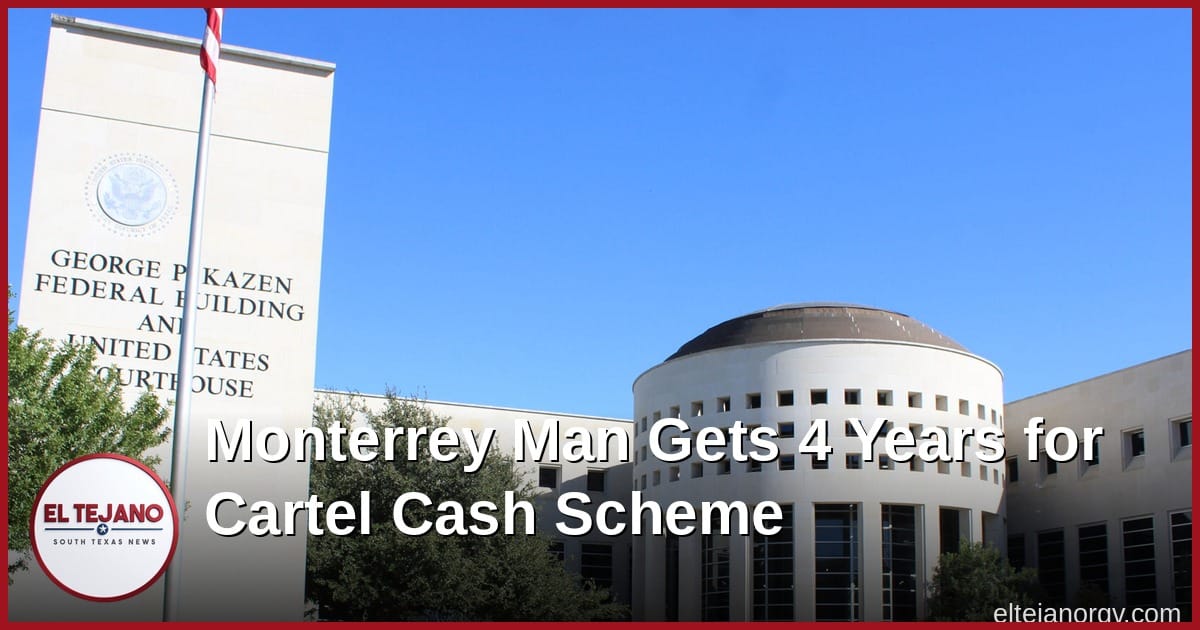
Federal agents spent about two years building this case. Mexico sent Castillo to the United States in August 2025. That is called extradition. U.S. District Judge Marina Garcia Marmolejo handled the case. Her courtroom is in Laredo.
Two agencies worked the case side by side. The Drug Enforcement Administration is one. IRS Criminal Investigation is the other. The Justice Department's Office of International Affairs helped too. So did the U.S. judicial attache office in Bogota, Colombia. Police in Mexico helped as well.
Prosecutors came from the U.S. Attorney's Office for the Southern District of Texas. Assistant U.S. Attorneys Lance Watt and Amanda Gould led the case in court. Trial attorneys Keith Liddle and Stephanie Williamson also worked on it. They are with the Justice Department's money laundering section.
This kind of scheme is common along the border. Federal agents have charged other people for running cash through Laredo stores for cartels in past cases. The trick stays the same each time. Hide drug cash inside a sale that looks normal.
Cases like this help agents trace drug profits back to the cartel bosses who made the money. Agents follow the cash. The cash can lead them to the next person in the chain. One case can lead to more arrests down the line. Cartels need cash to keep running their business. Stop the cash, and the cartel feels it fast.
Castillo is now serving his four year sentence. He is locked up in federal prison. He is not a U.S. citizen. Because of that, he faces deportation to Mexico once his time is done. It is not clear if he plans to appeal his case.
This case is one more sign that federal agents watch cash moving through Laredo. They watch it as closely as they watch drugs and people crossing the border. Laredo runs on trade. Trucks and stores move legal goods through town every day. But those same trucks and stores can move dirty money too, unless agents catch it first.