
Larissa Rodriguez was 17 years old. She was a cheerleader in Weslaco. She is gone now. Her family says a can of Alani Nu energy drink killed her.
Now the Texas Attorney General is going after the company that made it.
Texas AG Ken Paxton opened a formal investigation into Celsius Holdings on June 4. Celsius owns Alani Nu. Paxton wants to know if the company sold a dangerous drink to kids without telling them the truth about what was inside.
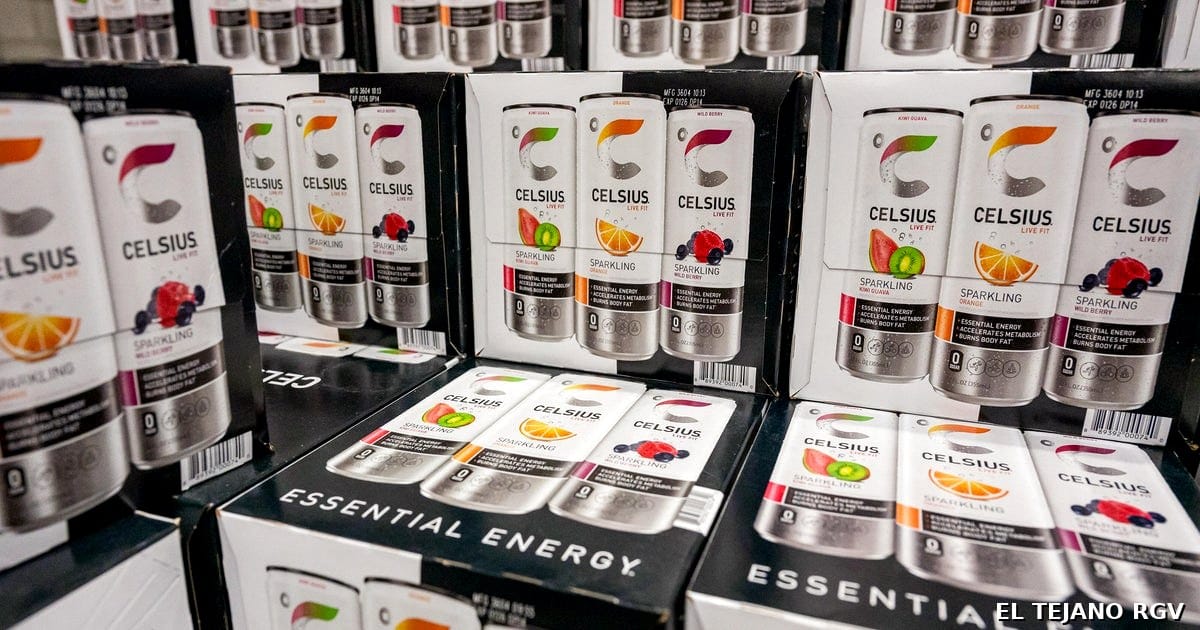
Alani Nu comes in a bright, colorful can. It looks like something made for teenagers. Each 12-ounce can has 200 milligrams of caffeine. That is about the same as two cups of coffee, packed into a drink with a fun logo and a pink label. Paxton's office says the label shows the caffeine amount but does not warn kids or parents about the risk to their hearts.
Larissa died from an enlarged heart. Her family says too much caffeine from Alani Nu caused it. They filed a wrongful death lawsuit against the drink's distributor. They say the drink was "dangerously formulated and poorly labeled."
"The tragic death of a 17-year-old Texas girl allegedly caused by consuming a highly caffeinated energy drink is a sobering reminder of what is at stake when companies prioritize profit over the safety and well-being of our children," Paxton said.
Paxton's office also pointed to a warning from the National Institutes of Health. The NIH says energy drinks can cause fast heart rate, high blood pressure, and anxiety in kids and teens. The cans do not carry any of those warnings.
Celsius Holdings bought Alani Nu in 2024. The brand is one of the most popular energy drinks in the country right now. It is sold at Walmart, HEB, and stores all across South Texas. Young people drink it before school, after sports practice, and on weekends without knowing the risks.
Paxton says his office will do what it takes to protect Texas families.
"Texas families deserve to know that the products marketed to their children are safe and not filled with dangerous levels of certain ingredients," he said.
His office is looking into whether Celsius broke the Texas Deceptive Trade Practices Act. That is the state law that protects Texans from companies that lie or mislead them about what they are selling.
Celsius Holdings has not issued any public statement about the investigation.
For South Texas families, this story hits close to home. Weslaco is in Hidalgo County, right in the heart of the Rio Grande Valley. Alani Nu is sold at nearly every gas station, grocery store, and convenience store in the area. Many kids grab one on the way to school or after a game with no idea how much caffeine is packed inside.
200 milligrams is a serious amount. The American Academy of Pediatrics says kids under 18 should not drink any caffeine from energy drinks. Not any at all. A single Alani Nu can has 200 milligrams.
This is a civil investigation, not a criminal case. No charges have been filed. But if Paxton finds that Celsius broke state law, it could force the company to change how it labels and markets its drinks across Texas.
For now, the Attorney General's office is gathering records from Celsius. Investigators want to see how the company marketed Alani Nu to young people and what the company knew about the health risks before putting those bright cans on the shelves.
Larissa Rodriguez was a teenager with her whole life ahead of her. Her family is fighting to make sure no other South Texas family has to go through what they went through.