
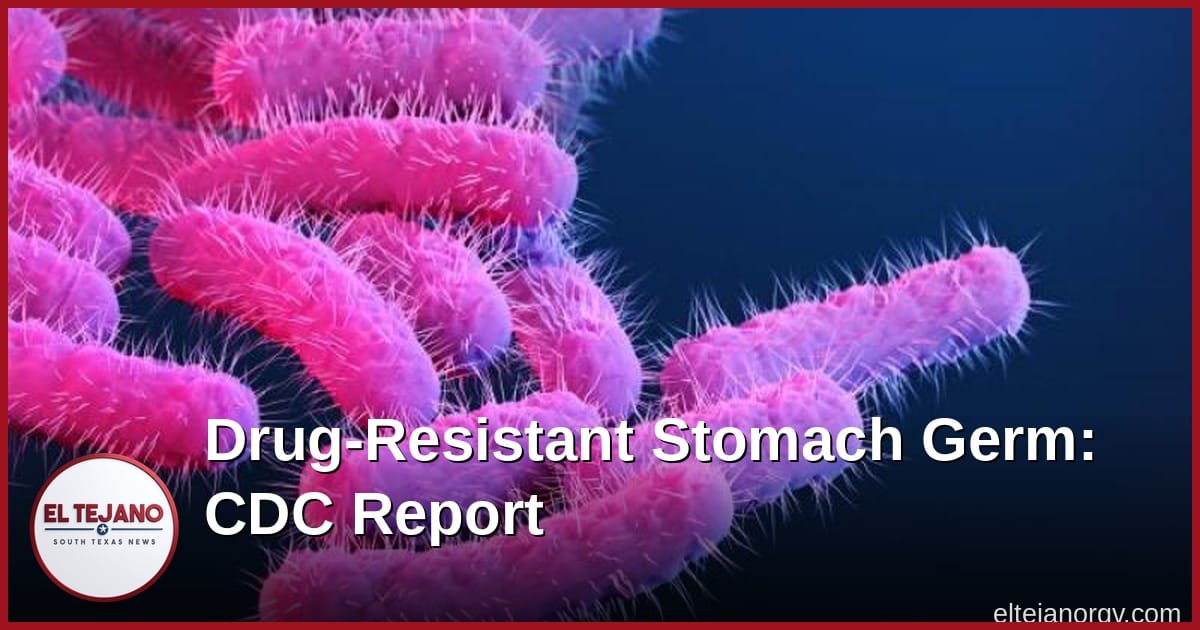
A stomach germ called Shigella is getting harder to treat. A CDC report says more and more of these germs fight off five common antibiotics.
The report is not new. The CDC put it out on April 9. It is getting fresh attention this month.
Here is what the CDC found. It looked at Shigella germs from January 2011 to October 2023. A total of 16,788 had data on drug resistance. Of those, 510 resisted five antibiotics. The CDC calls that "extensively drug resistant."
The share grew over time. It was 0% from 2011 to 2015. It was 8.5% in 2023. The report says 84.3% of these cases came in 2022 and 2023.
The report says no pill approved by the FDA treats these infections. Doctors should use lab tests to pick the right drug.
Most patients in the report were men. Of the 492 patients with data on sex, 86.2% were men. The middle age was 41. Of the 258 patients with hospital data, 37.6% went to the hospital. The CDC reported no deaths.
The report is about drug resistance. It is not a count of all Shigella cases. The authors say they likely missed some cases.
What is Shigella? The CDC says about 450,000 people in the U.S. get it each year. Signs start one to two days after the germ gets in. They include bloody or long-lasting diarrhea, fever and stomach pain.
Most people get better in five to seven days without antibiotics. They need rest and lots of fluids.
The germ spreads easily. A tiny bit can make you sick. It spreads when a person touches something with the stool of a sick person and then touches their mouth. It can also spread through dirty water, food, surfaces and objects.
The CDC says it can also spread during sex with a sick person. The report says the data on sexual contact was not complete. So it did not study that.
The CDC lists groups with a higher risk. They are children under 5 and people who travel to places with unsafe water or food. They also include gay, bisexual and other men who have sex with men. People who are homeless are also at risk.
How can you protect yourself? Wash your hands with soap and water. Be careful when you change diapers. Do not swallow water when you swim.
Do you or a partner have Shigella? The CDC says to wait at least two weeks after the diarrhea ends before you have sex.
The report calls for better tracking, faster reporting and steps to stop the spread in higher-risk groups.
If you have diarrhea, drink plenty of fluids so you do not get dried out, the CDC says.