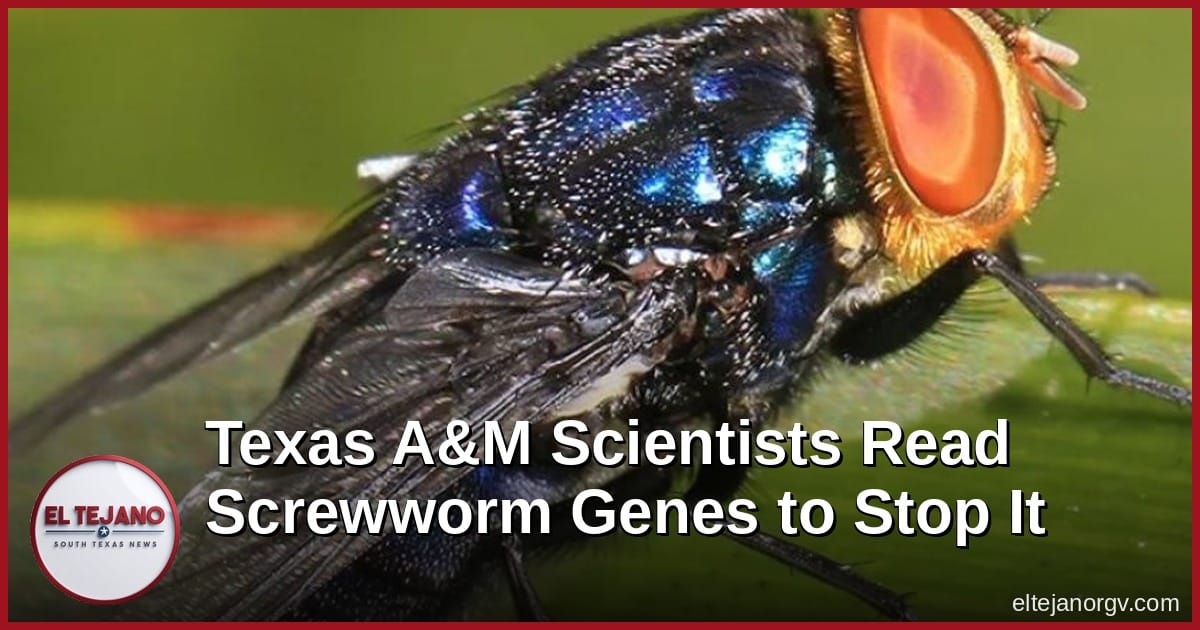
Scientists at Texas A&M have a big job. They want to read the genes of the New World screwworm. This is a pest that eats living flesh.
The lead scientist is Guilherme Verocai. He is an associate professor. Brian Davis is on the team too. He is an assistant professor in the Department of Veterinary Pathobiology. They work with Texas A&M AgriLife. They also work with animal health officials in Honduras.
Why Honduras? The pest is spreading there right now. The team will study thousands of specimens from that outbreak. The project will last two years. The USDA is paying $4 million for it.
The team will read the parasite's genes in a new way. It is called whole-genome sequencing. It reads far more genes than past studies did. Those studies looked at single genes.
The report lists three goals.
First, help officials track outbreaks. The team will look for gene differences between groups of screwworms. They will see how the groups connect. Samples from different places could show if a local outbreak is tied to groups elsewhere.
Second, learn if the parasite carries markers linked to drug resistance. That means the pest may shrug off treatment. Resistance has been reported in parts of South America. No one knows yet if this outbreak has these markers.
Third, compare the results with reports from Honduran vets. The vets say if treatments worked.
Verocai said the team hopes to build "a validated molecular test that will screen screwworm for drug resistance markers." No one knows yet if the test will work.
Here is why this matters. Screwworm larvae feed on living tissue. They get in through a wound. Cattle are at special risk. The pest can also hurt other livestock, wildlife, pets and people. Bad cases can kill if not treated.
The U.S. wiped out the pest. It did so with a program that began in the 1950s. Then cases rose in Panama in 2021 and 2022. The pest spread north through Central America and Mexico. The report says it reached the United States in June 2026.
The report does not say how many U.S. cases there are. It does not say where they are.