
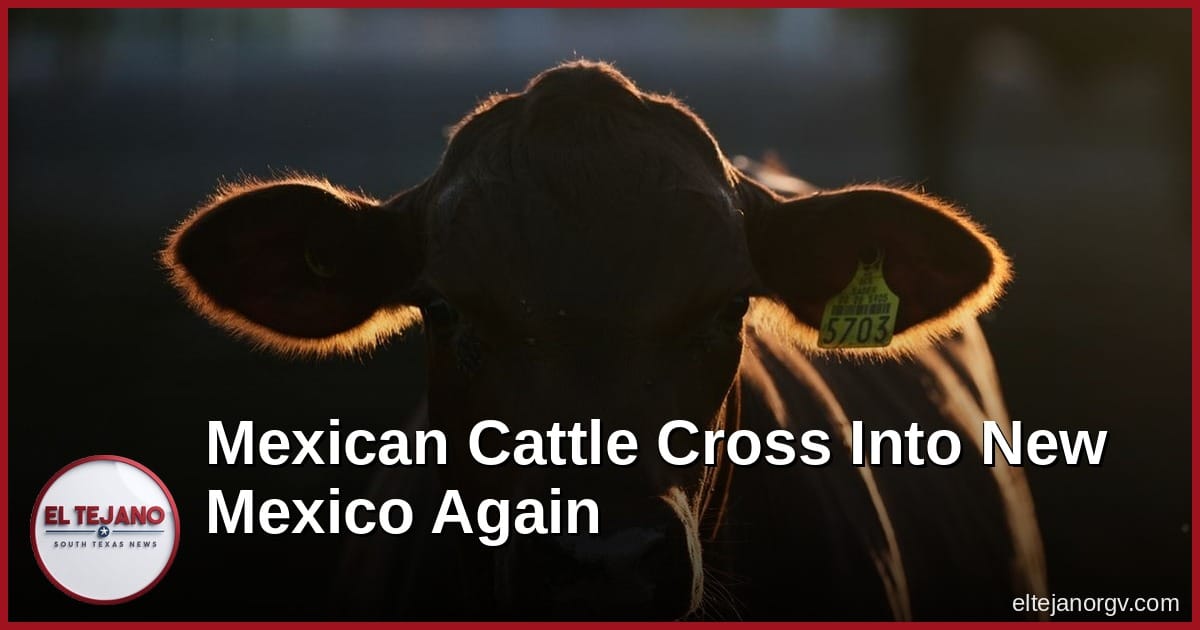
Mexican cattle started crossing the border again on Monday at Columbus, New Mexico. The crossing had been closed for nearly two years. U.S. farm inspectors gave the all-clear.
The reason for the closure is a pest. It is called the New World screwworm. It is a fly larva, or baby fly. It digs into the flesh of livestock and pets. It can hurt people too.
Columbus is the third crossing to open again for Mexican cattle. Officials say there are new rules. Cattle get tests, shots and checks before they get near the border.
Here is how it works, according to New Mexico's state vet, Samantha Holeck. Private vets check the cattle at the home ranch. They also give medicine that helps stop screwworm. Next, vets approved by Mexico look for open wounds and signs of sickness. Then the USDA checks each animal from head to tail while it is still in Mexico. The last step is a dip in a vat of bug killer.
Officials say all those layers give them confidence. But flies can cross the border on their own. So ranchers, hunters and pet owners should stay alert.
Texas is in this fight too. The Santa Teresa crossing near El Paso also handles Mexican cattle. About a third of the cattle Mexico sends to the U.S. each year go through Columbus and Santa Teresa. The government is also building a $610 million factory in Texas. It says the plant will make 300 million sterile flies a week. Planes drop sterile male flies. They mate with wild females, and the wild flies die out. "That's our sharpest tool," said Dudley Hoskins, a USDA undersecretary.
More than 60 cases have been confirmed in Texas and New Mexico. Last week, a hunter found screwworm in an elk. It was the first case in U.S. wildlife.
Another crossing, in Arizona, is due to open in late November.
Do not expect cheaper beef soon. Experts say U.S. herds are at record lows after years of drought. It will take time to rebuild them.