
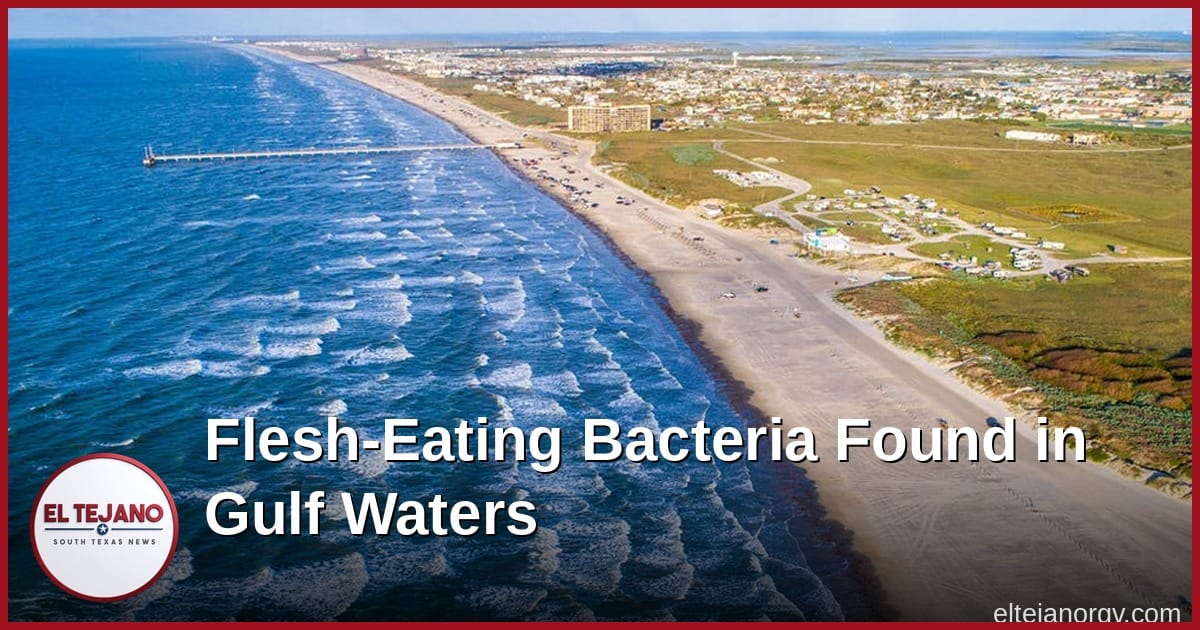
A dangerous germ is showing up in Gulf of Mexico water this summer. It is called Vibrio vulnificus. Doctors call it "flesh-eating bacteria." It can hurt you badly if it gets into a cut.
The germ lives in warm salt water. It also lives in mixed water, where a river meets the sea. Doctors call that mixed water "brackish." The germ grows fast in warm water. It makes toxins. Toxins are poisons that hurt the body.
Texas Gulf Coast families should pay attention. This means people in the Rio Grande Valley too. Many of us swim, fish, or eat seafood from Gulf waters. The germ has already made people sick in nearby states this year.
Florida has 14 cases in 2026. Two people died, state health officials say. Louisiana has 9 cases this year. Five people died, Louisiana health data shows. Those sick people had cuts that touched seawater. All of them had other health problems too, officials said.
Texas has cases as well. State health data shows 4 cases in Texas this year. One case was in Southeast Texas. That area covers Jefferson, Orange, and Hardin counties.
About 1 in 5 sick people die from this germ, health officials say. Death can come fast. Some people die just one or two days after they get sick. That is why quick action matters so much.
There are two main ways to get sick. One way is eating raw oysters or other raw shellfish. The other way is having a cut touch salt water or brackish water. Both ways let the germ get inside your body.
Some people face more risk than others. People with weak immune systems face more risk. So do people with liver disease. Oyster workers and fishermen face more risk too. Swimmers with open cuts face more risk as well.
Watch for these warning signs after time in Gulf water. Watch for pain that gets worse. Watch for redness, swelling, or warmth. Watch for skin that changes color. Watch for fluid coming from a wound. Watch for blisters or fever. Bad cases can turn into a fast-moving skin infection that destroys tissue. Doctors call this necrotizing fasciitis.
Doctors treat this germ with antibiotics. Bad cases may need antibiotics through a vein at a hospital. Some patients get sepsis, a body-wide infection. In the worst cases, doctors must remove infected body parts to save a life.
Weather plays a role too. Warm water helps the germ grow. So does flooding, runoff, and big storms like hurricanes. Gulf water off the Texas coast stays warm all summer. That means the risk stays high all season.
The CDC gives easy safety tips for beach season. Keep open cuts away from salt water. Cover any cut with a waterproof bandage if you must go in the water. Wash a cut right away with soap and clean water if it touches seawater. Wear gloves when you touch raw seafood. Cook shellfish all the way through before you eat it.
Get medical help fast if you see warning signs. This means after time in Gulf water or after eating raw shellfish. Do not wait to see if it gets better on its own. Tell the doctor about the water or the seafood. That detail helps doctors treat you faster.
Texas and Louisiana health officials keep watching new cases. State health departments update their numbers through the summer. El Tejano will share new facts on this germ in South Texas as they come in.
For now, Rio Grande Valley families can stay safe. Protect open cuts near the water. Handle seafood the safe way. Act fast if warning signs show up.