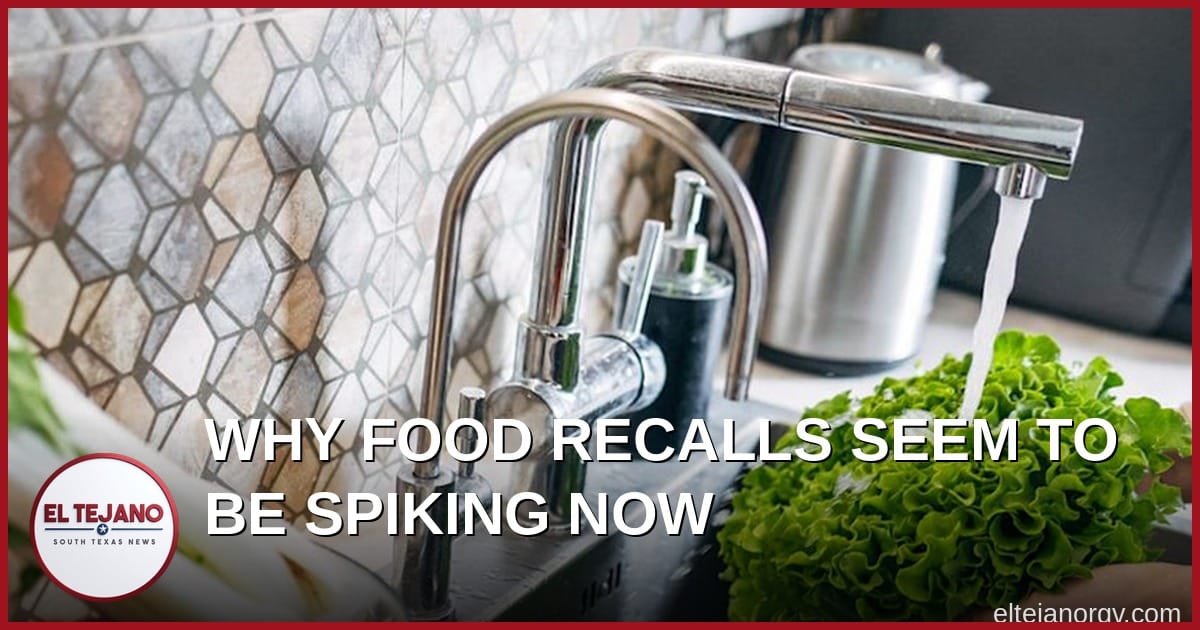
Grocery shoppers keep seeing recall notices this year, from lettuce to eggs to guacamole. Food safety experts say the recalls are not just in your head, but the full story is more complicated than it looks.
FDA-regulated food recalls jumped about 14 percent in the first nine months of 2025 compared to the year before, and the pace has stayed high into 2026. Experts say a mix of bigger recalls, faster news alerts and changes at federal health agencies all help explain why recalls feel constant right now.
Recent months have brought a string of major recalls. A cyclospora outbreak tied to iceberg lettuce from Taylor Farms sickened more than 17,000 people in July 2026. A salmonella outbreak in jalapeno peppers spread through Chipotle locations and later forced Whole Foods to pull guacamole and salsa off shelves. A listeria scare hit Clover Hill cheese. Most recently, Dreyer's recalled Outshine Fruit Bars over possible glass contamination.
Darin Detwiler, a food safety expert at Northeastern University, said the size of recalls matters as much as how many there are. "A handful of very large recalls can expose far more consumers than dozens of smaller ones," he said. A single tainted ingredient, like the jalapenos behind both the Chipotle and Whole Foods recalls, can end up in dozens of products sold under different brand names.
FDA-regulated food recalls now happen at a rate of more than one a day on average, according to the report. That number covers everything from small regional recalls that barely make the news to massive nationwide pulls that reach millions of households.
Detwiler also pointed to how fast recall news travels compared to years past. "Recall notices now reach consumers through news alerts, social media, retailers, government agencies...with such frequency that they can feel routine," he said. A recall that once might have stayed local news now shows up on phones nationwide within hours.
A food safety expert named Syers explained where recalls actually come from. "Most recalls are initiated when a potential problem is identified through company testing, consumer complaints, product testing, outbreak investigations, or regulatory activities," Syers said. In other words, most recalls start because someone, whether a company or a regulator, catches the problem before it grows worse, not because food safety is falling apart.
Changes at the FDA have added to the debate. The agency cut staff over the past two years, leaving fewer inspectors to check food plants in person. In June 2025, the FDA made a remote inspection policy permanent, meaning many plants now get checked through paperwork and scheduled video calls instead of surprise, in-person visits.
Critics worry that fewer surprise inspections could let problems slide longer before anyone catches them. Supporters of the change say remote checks let inspectors cover more ground and focus in-person visits on the highest-risk plants.
Detwiler stressed that companies, not regulators, carry the main responsibility for keeping food safe. "The primary responsibility for producing safe food belongs to the company producing it," he said. Recalls, in his view, are proof the safety net is catching problems, not proof that it is failing.
Food safety runs on a chain that starts on the farm and ends at the dinner table. A problem introduced anywhere along that chain, in the field, at a processing plant or on a store shelf, can trigger a recall weeks or months later, long after the tainted food already reached homes.
For now, shoppers should expect the pace of recalls to stay high through the rest of 2026. Checking the FDA's recall website, saving grocery receipts and signing up for store recall alerts remain the best ways to catch a bad product before it ends up on the table.