
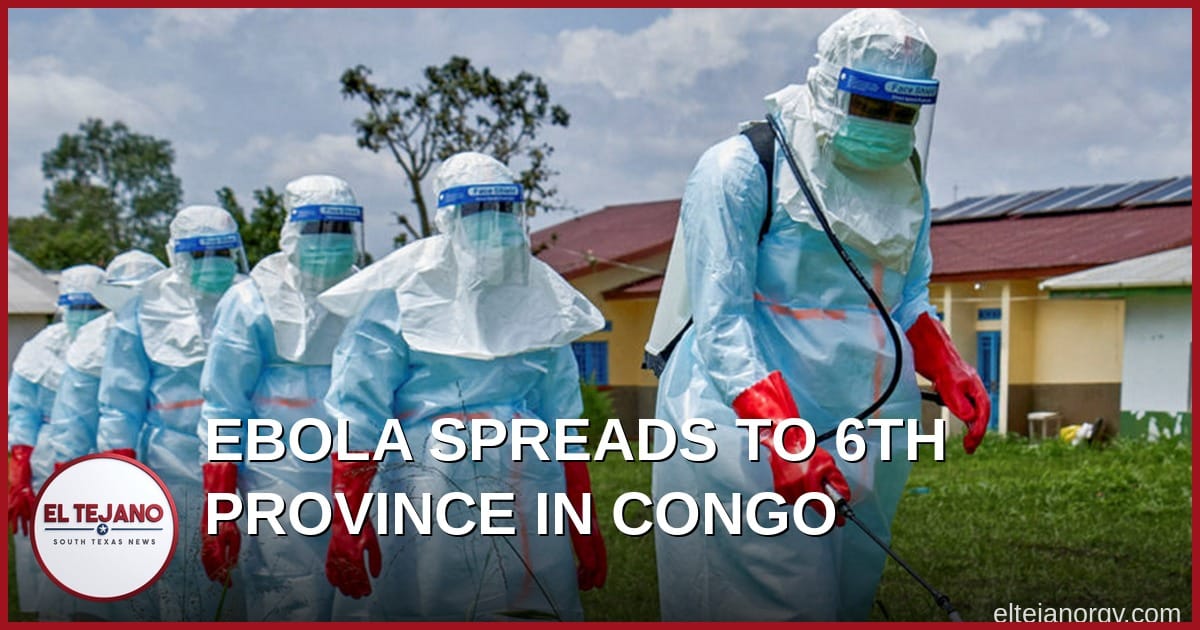
The Ebola outbreak in Congo has spread to a sixth province. The head of Africa's top health agency said this week. A man got sick in one area. Then he traveled to another area. He died there. That death showed the virus had reached new ground.
Ebola is a deadly virus. It spreads through blood and other body fluids. It can also spread through things a sick person touched, like bedsheets or needles. There is no cure yet for the strain driving this outbreak. That makes it hard to stop once it starts.
This outbreak matters far beyond Congo. Health leaders warn it is growing faster than any past Ebola outbreak on record. If it keeps spreading, it could hurt trade, travel, and health systems across the region. World health groups are racing to stop it before it gets worse.
The sick man had been in Haut-Uele province, in the northeast part of Congo. He traveled to Buta, a city in Bas-Uele province. He died there. His death confirmed the virus had jumped to that new province. Congo has 26 provinces in total. Six are now dealing with this outbreak. The other five are Ituri, North Kivu, South Kivu, Haut-Uele, and Tshopo.
Jean Kaseya leads Africa's top health agency, called Africa CDC. He said the outbreak is at a dangerous point. "If we do not stop this outbreak, it will last more than a year and will be the largest in the world," Kaseya said.
The numbers are already grim. Congo's government says the outbreak has caused more than 4,500 sick people and over 2,100 deaths. That is a huge share of people who caught the virus and did not survive. Health workers hit that death toll fast. It took them about a third of the time it took during the world's worst Ebola outbreak. That one hit West Africa from 2014 to 2016.
Doctors first found this outbreak in May 2026. But tests on the virus later showed it had likely been spreading quietly since February. That means it had months to move through towns before anyone knew.
The virus behind this outbreak is called Bundibugyo. It is a rare form of Ebola. Right now, there is no approved vaccine or medicine that is proven to stop it. Scientists are testing two possible treatments. They started those tests last month. Two new vaccines built just for this strain are also being tested on people for the first time. Researchers are also checking if an older Ebola vaccine, made for a different strain, might still help. Early animal tests looked promising.
Stopping the outbreak is hard work, and it is getting harder. Health workers say 6 out of 10 new cases pop up in people nobody had been watching. That means the virus keeps catching doctors off guard. Some communities do not trust health workers. False rumors about the disease have also slowed the response.
The World Health Organization has raised its own alarm. Its leaders say the outbreak is on pace to beat the worst one ever recorded. That old outbreak killed more than 11,000 people about ten years ago.
Workers on the front lines are also under strain. At a treatment center in Ituri province, staff walked off the job this week. They said they had gone three months without pay. That kind of walkout can slow down care right when patients need it most.
For now, health teams in Congo and around the world are on the job. They are tracking new cases. They are treating the sick. They are trying to keep the virus out of more provinces. No cases tied to this outbreak have shown up in the United States. Global health leaders say a fast response now is the best way to keep it that way. The case count is likely to change fast in the coming weeks.