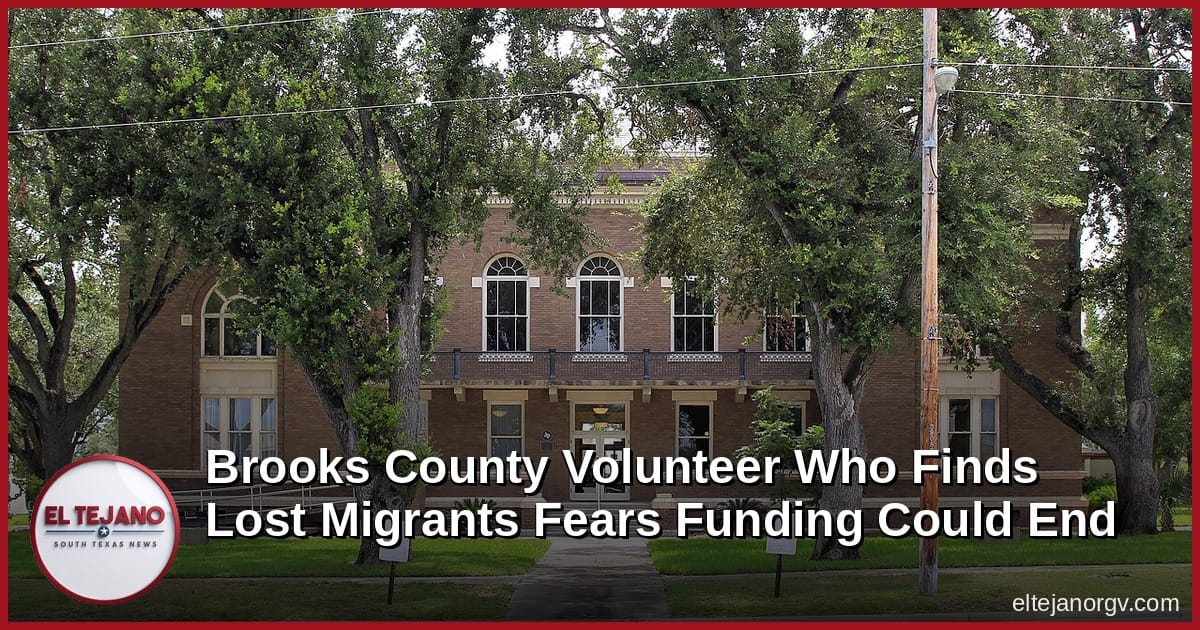
Don White walks the brush in Brooks County, Texas. He looks for migrants who are lost, hurt or dead. He is a volunteer with the Brooks County sheriff. A report dated Nov. 8 tells his story.
White began in 2014. He says he has searched for 12 years. Many of the people he looks for tried to walk around the Border Patrol checkpoint. Some did not make it. He also tries to reach people who are still alive.
At first, he paid for the work himself. He says he "burned through my retirement savings." He pays for fuel, tires and drones. The tires cost $600 each. The drones cost about $210 each. He sold his house. He now lives with his daughter.
Today, the state pays him back through Operation Lone Star. Gov. Greg Abbott started that border program in 2021. The report says his searches cost about $32,000 a year. It also says earlier reporting put the cost of the whole program to Texas taxpayers at $11 billion.
White says he does more than 100 searches a year. The report says his work has led to about a dozen rescues. It says he has also helped recover hundreds of bodies. Many are still not identified.
He finds clues like wallets, backpacks and phones. He then works with forensic pathologists, who are doctors that study the dead, and with human rights groups. Together they try to name the dead and return them to their families for burial.
Now the money may be in doubt. The report says Democrats won control of nearly all of state government, except the state Senate. It is not clear what Gov.-elect Gina Hinojosa will do with the program. The report says her campaign did not comment. The campaign said it was not immediately available.
Before the election, Hinojosa called the program a waste of taxpayer dollars. She said it should be reviewed so it only exists to make people safer. In a release, her office also said Abbott spent $11 billion to "grandstand."
Critics say the program militarized the Valley. They point to chases and deadly crashes. Backers say crime and border crossings went down. The program also pays grants to jails, medical examiners who handle migrant remains, courts and emergency crews.
White worries his rescue work could stop if the program ends. Without the money, he says, he would be "sitting on the couch."
We do not know what Hinojosa will do. We do not know when any decision will come. We also do not know if other volunteers are paid this way.